

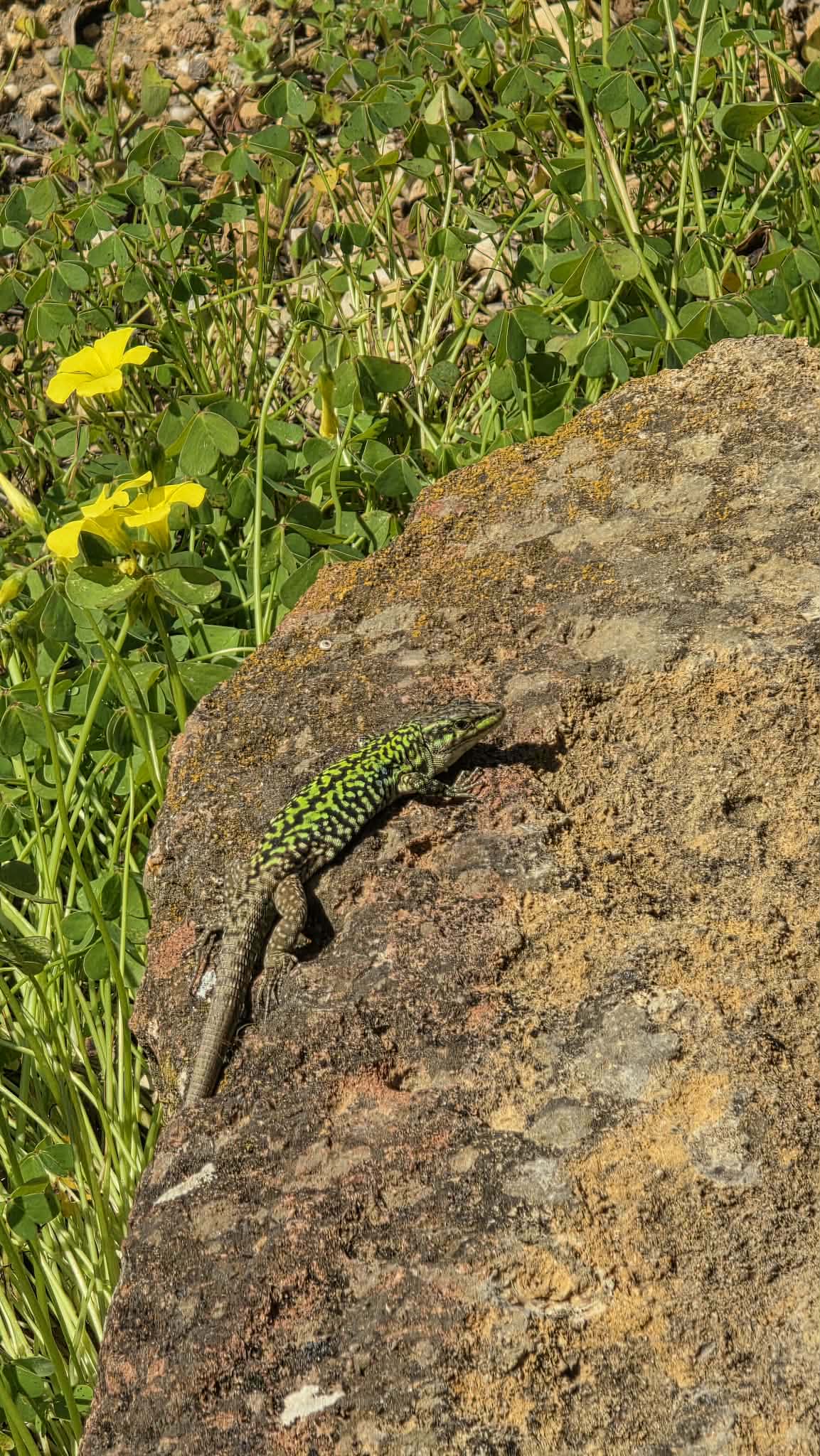
Tourists in Crete. The urgent need of managing and eradicating the invasive Italian wall lizard, Podarcis siculus, from Chania, Crete.
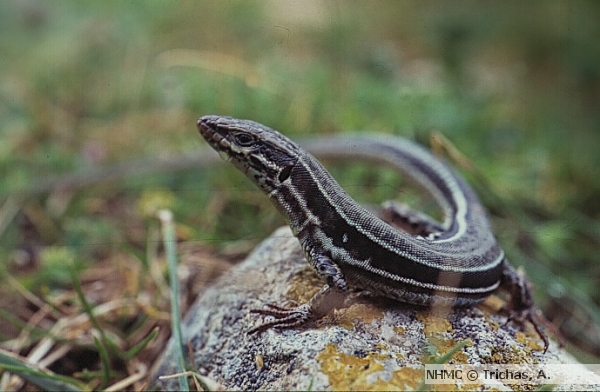
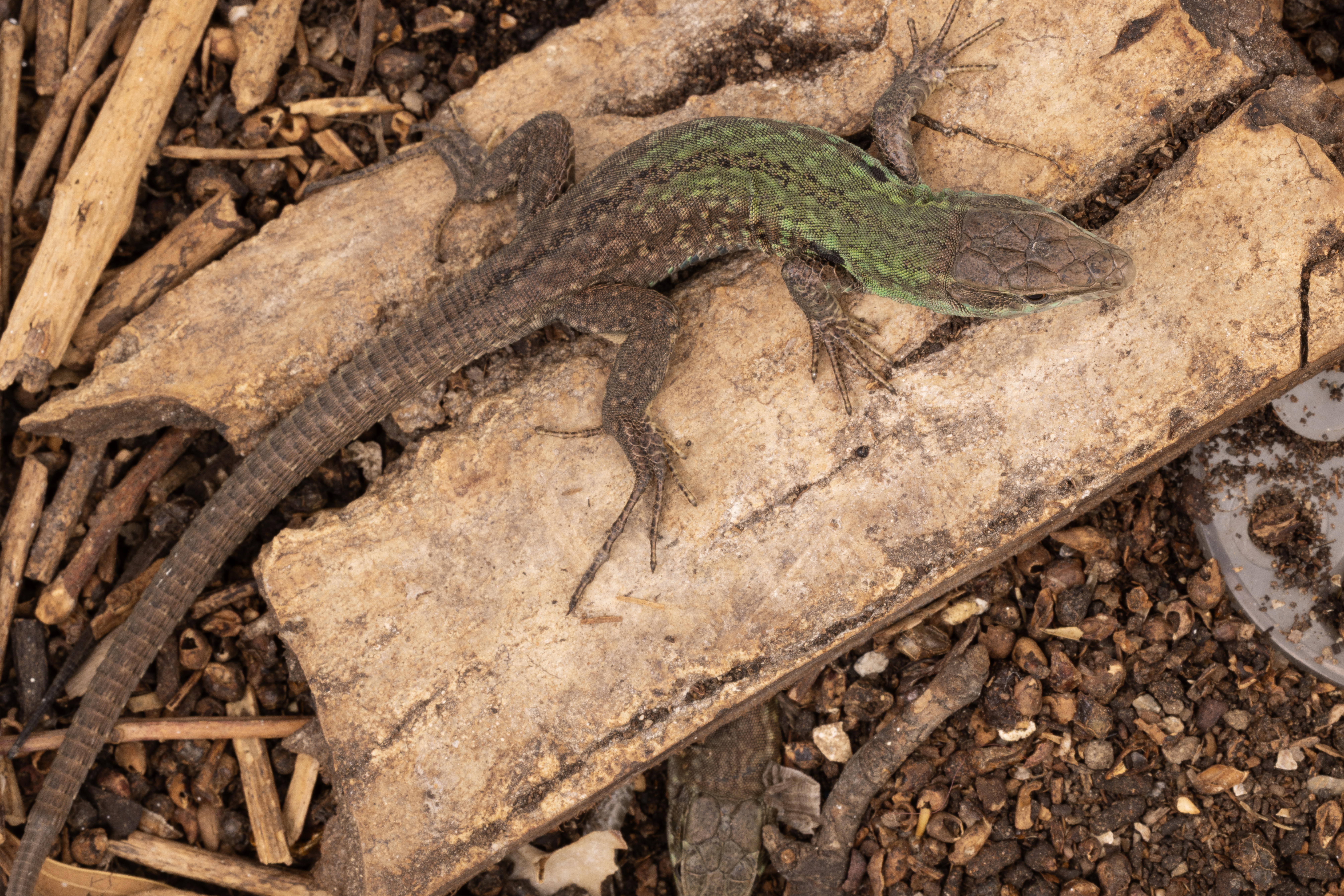
The endemic Cretan wall lizard, Podarcis cretensis
Did you know that, besides the now well-known silver-cheeked toadfish, there are also terrestrial invaders on the island of Crete that may disrupt the natural ecological balance?
How important is it to understand key aspects of these species, such as their origin, their interactions with native populations, and their impacts on local ecosystems?
These are some of the questions addressed by the research project “Tourists in Crete. The urgent need of managing and eradicating the invasive Italian wall lizard, Podarcis siculus, from Chania, Crete”, implemented by the University of Crete and the Natural History Museum of Crete, with support from IUCN Save Our Species and the European Union.
The Italian wall lizard is a highly adaptable invasive species, native to Italy and parts of the Adriatic region, which has now become established in many areas across Europe and the Mediterranean, as well as on other continents.
Recently, a population of the species was detected in Chania, Crete, an area that forms part of the distribution range of the endemic Cretan wall lizard, Podarcis cretensis (locally known as klostidaki), which occurs only in western Crete and on islets surrounding Crete. The presence of this invasive population is cause for concern, as in other regions P. siculus has proven to be a strong competitor of native lizard species and may negatively affect local biodiversity.
The project aims, on the one hand, to contain and, if possible, eradicate the invasive population and, on the other, to investigate its origin. Through genetic analyses, we are examining where the individuals found in Crete originated from and whether the current presence of the species results from a single introduction event or from multiple independent human-mediated introductions.
So far, 90 Italian wall lizards have been removed, and four different genetic markers have been analysed. In addition, the estimated distribution range of the species has been revised, as it appears to be larger than initially reported in the first records.
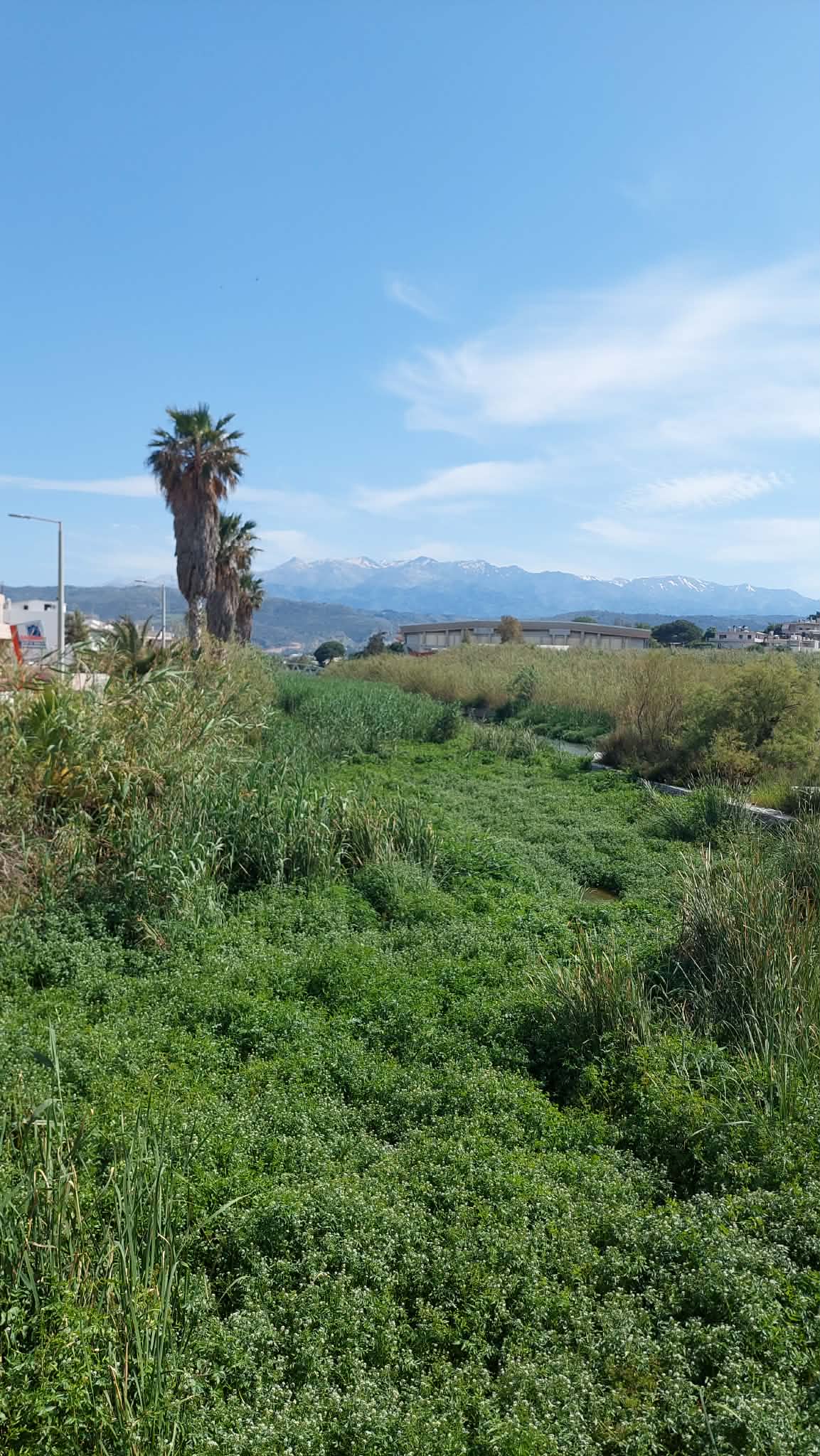
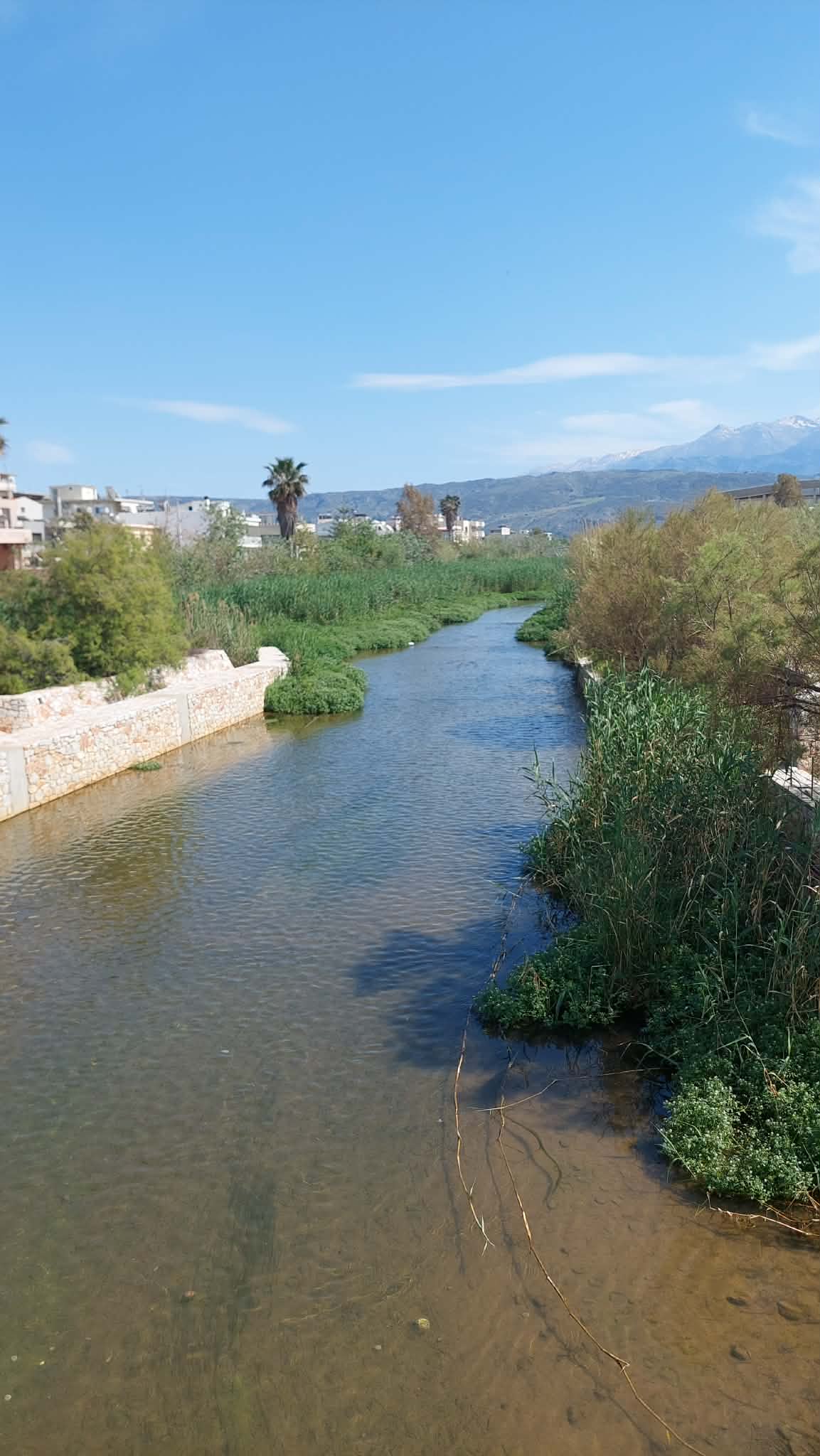
One of the main challenges in managing the invasive population is the environment in which it has become established. The core of the species’ distribution lies along the Kladisos River, where extremely dense vegetation creates many areas that are difficult or impossible to access without causing substantial disturbance to the environment. As a result, the lizards have numerous refuges and escape routes, making their detection and removal considerably more difficult. At the same time, the species has also been recorded on private properties, such as residential gardens, where access for sampling and removal is not always possible.
So far, the Cretan wall lizard has not been recorded in the same area, which represents an additional cause for concern regarding potential competition between the two species.



 Ελληνικά